Some homeowners view pest problems as an indoor issue, but the reality is that many pest problems start in the yard. One of the biggest outdoor factors is poor drainage. At Blake’s Pest Control, we often find that standing water, soggy soil, and runoff issues around the foundation create the kind of environment pests love.
When water collects where it should not, it can attract pests directly or create conditions that make your home more vulnerable. Poor drainage can lead to moisture buildup, softer soil, mulched areas that stay damp, and easier travel routes for pests trying to get closer to your home. Incorporating drainage is essential for long-term pest prevention.
Why Moisture Attracts Pests
Many pests are drawn to moisture because it helps them survive. Some insects need damp areas to breed or nest, while others are simply using the moisture as a sign that the area is protected and comfortable. Rodents, ants, mosquitoes, termites, and other pests can all be influenced by the amount of water collecting around a home.
Moist conditions also make it easier for wood and other materials to break down, which can create even more opportunities for pests to feed or shelter. What starts as a drainage issue can turn into a larger pest issue if it is ignored.
Standing Water Creates Breeding Grounds
One of the clearest signs of poor drainage is standing water after rain. Water that sits in low spots, gathers near the foundation, or lingers in flower beds gives pests more opportunities to settle in. Mosquitoes, for example, can use standing water to breed, while other pests may simply use the area as a resting place.
Even if the water does not stay for long, repeated wetness can still create an attractive environment. A yard that drains slowly after every storm is more likely to create recurring pest pressure than one that dries properly. The more often the area stays damp, the more likely pests are to return.
Wet Soil and Mulch Can Make the Foundation Vulnerable
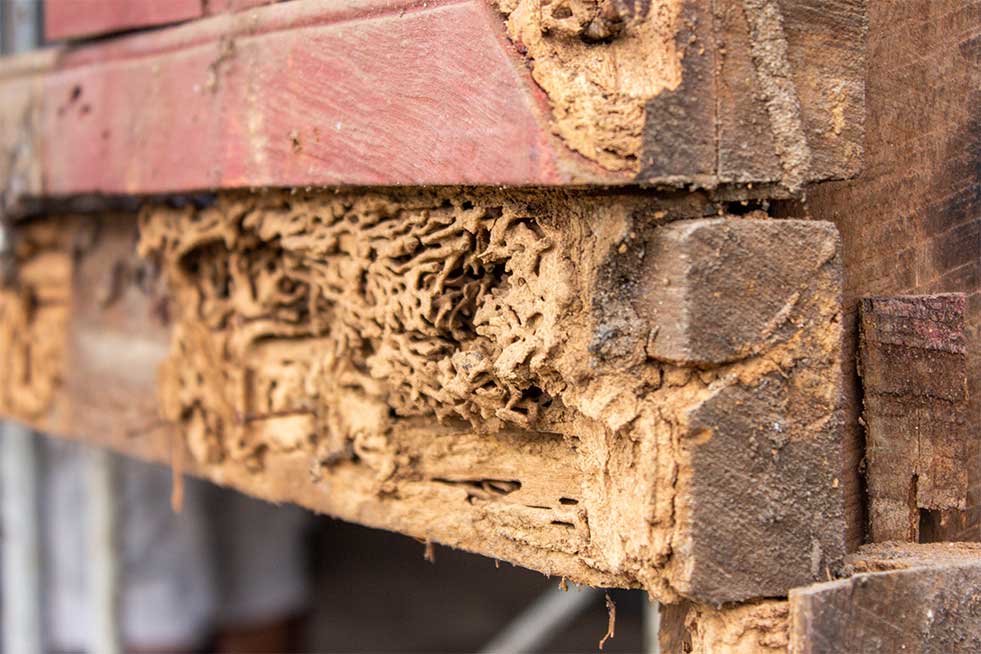
Poor drainage can leave soil and mulch around the foundation damp for long periods of time. That creates the kind of moisture pests prefer for shelter and movement, and it can also create favorable conditions for termites and other wood-damaging pests around the home.
If mulch is piled too high or drains poorly, it can hold moisture against the home and create favorable conditions for pest activity. The same is true for soil that slopes toward the house instead of away from it. These may seem like landscaping issues, but they can directly contribute to conditions that attract pests around the home.
Drainage Issues Attract Rodents
Insects aren't the only pests that benefit from pooling water. Mice and rats require a daily, reliable water source to survive, and poorly drained yards provide exactly that. Damp ground, overgrown areas, and cluttered yard spaces can make it easier for them to enter your home without being noticed.
Pay Attention to Gutters and Downspouts
Poor yard drainage is not always caused by the yard itself. Sometimes the problem starts with gutters or downspouts that do not direct water far enough away from the home. When gutters are clogged with leaves or downspout extensions are too short, water can collect near the foundation, leading to saturated soil and persistent moisture. These conditions can create favorable environments for pest activity around the home and may contribute to other moisture-related issues over time.
Checking those systems regularly is one of the easiest ways to reduce the problem. Clean gutters and properly directed downspouts can make a big difference in how dry the yard stays near the home.
What Homeowners Can Do
To minimize the moisture zones that attract pests, incorporate these practical maintenance steps into your yard care routine:
- Inspect After Heavy Rain: Walk your property after a storm to identify exactly where water sits or flows toward the house.
- Adjust Soil Grading: Fill in low spots and ensure flower beds slope gently away from the foundation rather than toward it.
- Manage Mulch Depth: Keep mulch layers down to a reasonable two to three inches, and pull it back slightly so it doesn't make direct contact with your siding or trim.
Why Pest Control and Drainage Go Together
Pest control is more effective when the underlying conditions are addressed too. If a yard stays wet, pests will keep being drawn back to it even after treatment. That is why drainage problems should be seen as part of the pest prevention picture.
At Blake’s Pest Control, we look at both the pest activity and the conditions that may be supporting it. In many cases, improving yard drainage is one of the simplest ways to make a home less attractive to pests in the long run. It is not the only solution, but it is often an important one.
Managing Your Home's Perimeter Against Moisture-Loving Pests
A well-drained yard is better for your lawn, your foundation, and your overall peace of mind. While keeping your gutters clear and your soil graded properly minimizes the moisture draw, professional care ensures that opportunistic bugs and rodents don't take advantage of any remaining damp spots. At Blake’s Pest Control, we apply targeted exterior treatments to your home's foundation zones, creating a protective barrier that stops outdoor pests right where they travel.
Ready to clear active pests away from your home? Contact Blake’s Pest Control today to schedule your customized seasonal treatment and establish total peace of mind.
 Skip to content