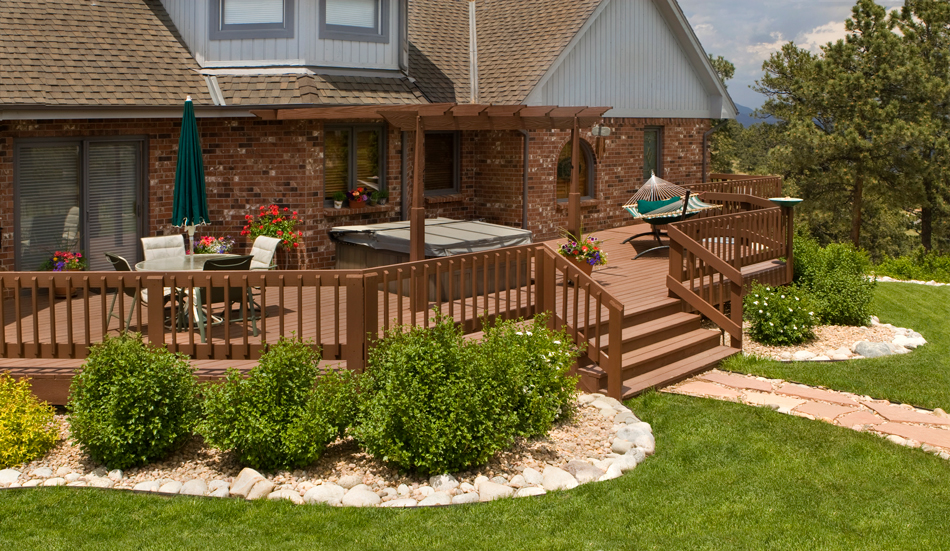
Landscaping can make a home look beautiful, but it also influences outdoor pest activity in ways many homeowners do not realize. At Blake’s Pest Control, we see a direct connection between yard maintenance and the amount of pest activity around the home. Trees, shrubs, mulch, flower beds, and ground cover can all affect how pests move, hide, and enter your house.
The goal is not to stop landscaping altogether, but rather to understand how certain landscaping choices can create shelter, moisture, and access for pests. Once you know how that happens, it becomes much easier to make small changes that help protect your home.
Heavy Ground Cover Hides Pest Activity
Thick ground cover, ivy, tall grasses, and overgrown flower beds can all create hiding places for pests. These areas make it harder to see what is happening around the foundation and can give pests better shelter. Rodents, ants, and other insects can all take advantage of that kind of cover.
If pests have a protected path close to the home, they are more likely to keep using it. That is why maintaining visibility around the foundation is so important. Creating a clean, defined border of gravel or bare soil between the edge of your ground cover and the foundation wall goes a long way toward making the perimeter uninviting.
Mulch Can Hold Moisture
Wood mulch is excellent for moisture retention in flower beds, but that exact characteristic can work against your home if it is maintained improperly. Thick layers of damp mulch piled directly against a foundation create a perfect breeding ground for millipedes, crickets, and sowbugs.
When mulch beds remain continuously saturated, they also provide a highly attractive, protected zone for foraging subterranean termites. To minimize this risk, avoid piling mulch past the foundation line, keep it several inches away from any wooden trim or siding, and never allow it to become deeper than two to three inches.
Watering Habits Can Create Pest Zones
How and when you water your landscaping can also affect pest activity. Overwatering can create wet soil and damp areas that pests prefer. Sprinklers that spray the siding or foundation may also contribute to moisture problems around the house.
The more controlled the watering pattern is, the better for pest prevention. You want the landscaping to stay healthy without turning the area around the home into a wet zone. Small adjustments in watering can make a meaningful difference over time.
Plants Too Close to the Home Create Cover
Shrubs, vines, and trees that grow too close to your home can make it easier for pests to get in. Dense plants give insects and rodents places to hide. When vegetation touches the home, it can block airflow and lock in moisture, creating an ideal habitat for foraging ant colonies and spiders. It also can make inspection more difficult. Pests often take advantage of hidden areas where homeowners do not look often. Keeping some space between the landscaping and the home helps reduce that cover.
Trees and Branches Can Create Access to Your Home
Tree branches hanging over the roofline or touching the house can become a natural route for pests. Squirrels, ants, and other insects routinely use these branches as a path toward your home, granting them easy access to gutters, eaves, roof vents, and dormers. Once they are near the roof or siding, it becomes much easier for them to find small openings into the home.
Trimming branches back so they sit at least three to six feet away from the structure is one of the simplest ways to disrupt these aerial travel routes. As an added benefit, cutting back limbs allows more airflow and sunlight to hit the perimeter, drying out damp areas that attract moisture-loving pests.Landscaping maintenance is a simple but important part of pest prevention.
Build a Yard That Supports a Pest-Free Home
A well-maintained yard should do more than look good. It should also help protect your home from pests by reducing moisture, cover, and access points. If your landscaping is too dense, too wet, or too close to the house, it may be contributing to pest activity without you realizing it.
If you are noticing pest problems around the exterior of your home, it may be time to take a closer look at the landscaping around it. Ready to clear outdoor pests away from your home? Contact Blake’s Pest Control today to schedule a professional treatment. Our targeted exterior applications are designed to wipe out active pests at the source, giving you total peace of mind.
 Skip to content