It’s a common winter surprise in Northern Virginia: you head into your unfinished basement to start a load of laundry, and suddenly, a sluggish yellow jacket or a skittering mouse appears. It feels counterintuitive—wasn’t the cold weather supposed to kill the bugs and send the rodents into hibernation?
The Physics of Attraction: The “Stack Effect”
To understand why pests choose your basement, you have to understand the Stack Effect. As you heat your home, warm air rises and escapes through the upper levels and roof. This creates a vacuum in the lower levels (the basement), which pulls cold air—and pests—in through every tiny crack in the foundation.
If you notice yellow jackets in basement near dryer vents, the Stack Effect is often the culprit, pulling them toward your warm laundry area.
1. Why Your Basement Is a Heat Magnet
Pests are experts at sensing “thermal signatures.” When you turn on your furnace or run your clothes dryer, you are effectively sending out a beacon of warmth into the freezing Virginia air.
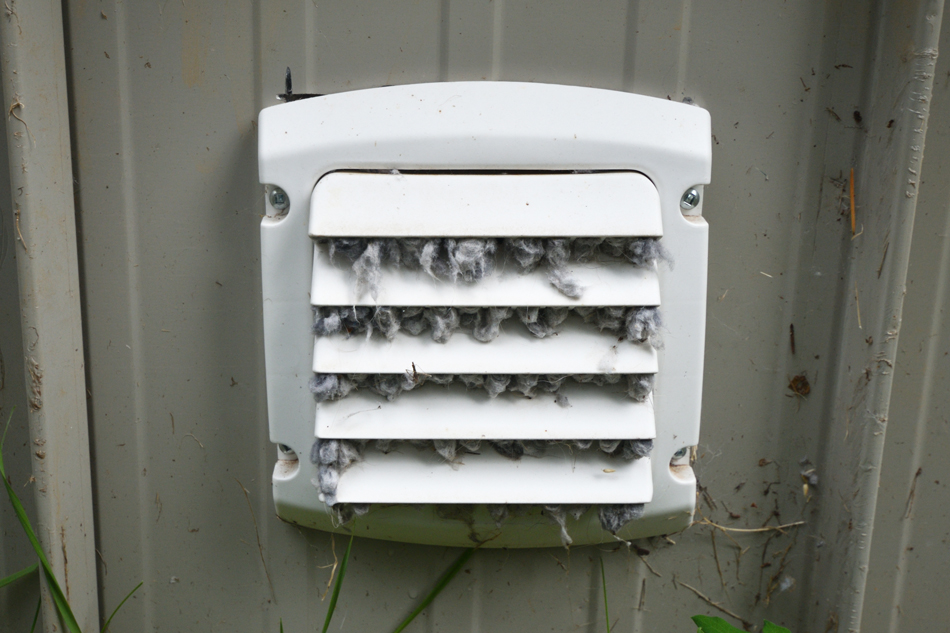
Dryer Vents: A dryer vent is a 4-inch highway. If your exterior vent flap is missing, stuck open with lint, or made of thin plastic that a mouse can chew through, pests will follow that warm air directly to the source.
HVAC & Utility Penetrations: Check where your AC refrigerant lines or gas pipes enter the house. The original sealant around these penetrations often cracks, creating a gap that allows yellow jackets to follow the heat directly into your basement ceiling joists.
2. The “Winter Sleep” Interruption (Diapause)
In the late fall, many queens (wasps and hornets) seek out protected voids to overwinter. They enter a physiological state called diapause—a biological “pause button.”
The Trigger: When you heat your basement to 65°F+ or leave lights on, you are accidentally “tricking” their biology into thinking spring has arrived.
The Result: They wake up groggy, dehydrated, and confused. This is why you see them crawling slowly on the floor or buzzing weakly around light fixtures instead of flying aggressively.
3. Common Basement Entry Points in Northern VA
Basements in our area (especially in Springfield, Alexandria, and Fairfax) often have specific vulnerabilities:
Sill Plates: The area where the wood frame of your house meets the concrete foundation is a primary entry point for mice and spiders.
Floor Drains & Sumps: Some pests, like American Cockroaches or Camel Crickets, enter through dry traps in floor drains or through the sump pump discharge pipe.
Window Wells: Leaves and debris in basement window wells create a warm, moist “micro-habitat” that allows pests to congregate right against the glass and frame.
Safety Reminder
Do not attempt to handle yellow jackets or hornets yourself, especially in confined basement spaces. Stings can be dangerous, and disturbed nests may escalate aggression. Professional identification and removal provide the most reliable results, ensuring the infestation is handled safely at the source.
Remediation Starts at the Foundation
At Blake’s Pest Control, we don’t just treat the basement; we locate the thermal leaks that attract pests. By sealing these entry points with professional-grade materials, we break the vacuum of the Stack Effect and stop pests before they migrate to your upstairs bedrooms.
Your Next Step: A Thermal Inspection
Your basement shouldn’t be a place where pests hunker down for the winter. If you’ve spotted yellow jackets near your dryer vents or heard something moving in the floor joists, it’s a good idea to have a professional take a look.
Contact Blake’s Pest Control today. Our team knows exactly how to track down these seasonal entry points and provide the right treatment to clear them out for good.
 Skip to content
Recent Comments