
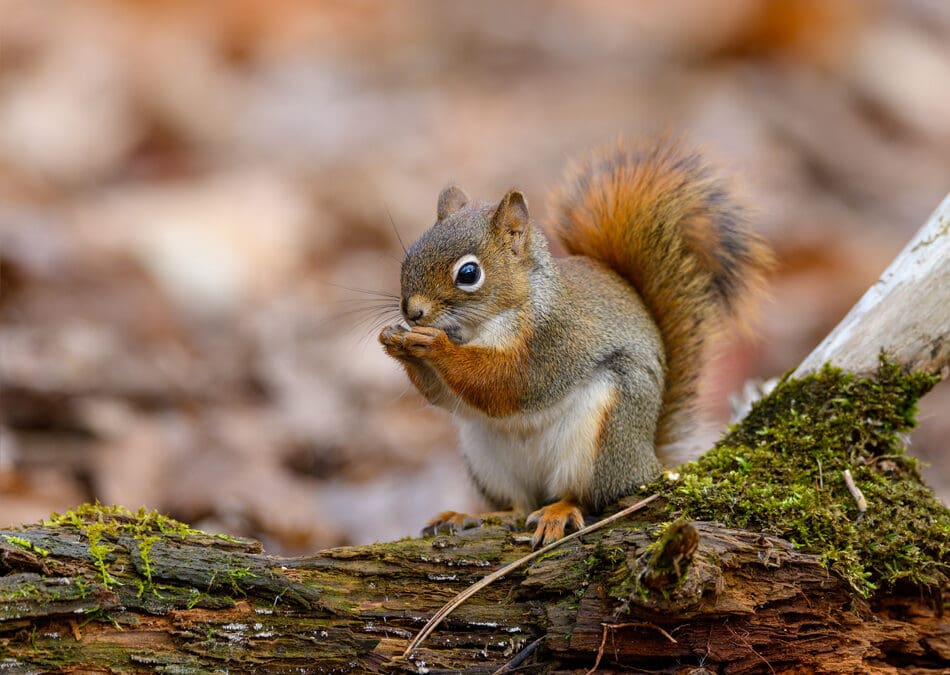
There is nothing quite as unsettling as sitting in a quiet room and hearing a rhythmic scratch-scratch-scratch coming from behind the drywall. If you’re asking, “what animal is scratching in my wall at night?”, it’s usually one of two distinct categories based on their timing and sound in Northern Virginia homes. Before you can solve the problem, you have to identify the culprit.
1. The Timing: Who is on the Clock?
The most important clue is the clock. Most animals follow a strict biological schedule.
- Daytime Activity (Diurnal): If you hear scurrying and scratching during the morning or afternoon, you are likely dealing with Grey Squirrels. They are active as the sun rises and return to the nest at dusk.
- Nighttime Activity (Nocturnal): If the sounds start after the sun goes down, it is almost certainly Mice or Rats.
- The "Grey Area" – Flying Squirrels: Northern Virginia is home to the Southern Flying Squirrel. Unlike their grey cousins, these are nocturnal. If you hear "heavy" scurrying (louder than a mouse) at 2 AM, don’t rule out squirrels just because it’s dark.
2. The Sound Profile: Weight, Speed, and Texture
Listen closely to the volume and "texture" of the sound to differentiate between species:
- Light Skittering & Gnawing: Sounds like tiny fingernails on a chalkboard; typical of Mice. You may also hear faint "tapping" or "gnawing" as they chew through drywall or baseboards.
- Heavy Thuds & Rolling: Sounds like something is "dropping" or moving heavy objects (like acorns rolling across a ceiling), likely Squirrels or even a Raccoon.
3. The "Knuckle Test": Freeze vs. Flee
A trick to help identify the source is to knock firmly on the wall where you hear the noise:
- Mice and Rats: Will usually freeze in place. The noise stops instantly as they wait for the "predator" (you) to leave.
- Squirrels: Typically scurry rapidly toward their exit point near the roofline.
4. The Risks: Beyond the Noise
A "scratcher" in the wall isn't just a nuisance; it’s a structural and safety liability:
- Fire Hazards: Rodents must chew to file down their ever-growing teeth. They frequently target the plastic coating on electrical wires, leading to shorts and potential hidden house fires.
- Insulation Damage: Animals trample, shred, and soil insulation with urine and droppings. This destroys your home's energy efficiency and creates air quality risks.
- Secondary Pests: Nests in walls often attract "hitchhiker" pests like mites, fleas, and ticks that can eventually move into your living space.
Important Limitations & Safety
Do not try to reach into wall voids or attempt to handle these pests yourself. Please note that at Blake's Pest Control, we focus on identifying the source of the activity and providing targeted treatments for the infestation. We do not open up walls or provide treatment for nests located inside wall voids.
The Professional Solution: Expert Assessment & Treatment
If you hear something moving in the walls, the first step is a professional inspection. At Blake’s Pest Control, we specialize in pest management. We provide:
- Species Identification: We determine exactly what is in your walls so the correct treatment can be applied.
- Entry Point Location: We help you find the holes, gaps, and cracks that allowed the animal inside, giving you the information you need to coordinate structural repairs.
- Targeted Treatment: We provide safe, effective professional treatments to eliminate the pests and ensure your home is quiet once again.
Don't Let the Scratching Continue
Whether it’s a hole near the roofline or a skittering in the stairwell, that sound in the wall is a warning sign. At Blake’s Pest Control, we help you identify the source of the problem and provide the expert treatment needed to clear the pests out.
If you’re wondering, “what animal is scratching in my wall at night?”, contact Blake’s Pest Control today for a professional inspection. If you hear it, we can find it.
 Skip to content
Recent Comments