Spring in Northern Virginia is the season when pest activity rapidly accelerates. Warmer temperatures and seasonal rain create the perfect conditions for insects to emerge, reproduce, and move closer to local homes. At Blake’s Pest Control, spring is one of our busiest times of the year because homeowners suddenly begin noticing the first signs of pests that spent the winter dormant inside wall voids or beneath the soil.
The challenge with spring pests is that they are all driven by different instincts. Some are swarming to establish new colonies, some are aggressively nesting, and others are foraging for food. Because of this, a single property can face multiple pest pressures at once. Taking a proactive approach in early spring is the best way to clear out these nesting insects before a small seasonal emergence turns into a major summer headache.
Carpenter Bees Become Active in Spring
One of the most common spring pests we treat in Northern Virginia is the carpenter bee. Homeowners usually notice these large, heavy bees hovering persistently around decks, wooden railings, overhangs, and fascia boards.
Unlike honeybees, female carpenter bees bore nearly perfect, dime-sized holes into unpainted or weathered wood to create nesting tunnels. While male carpenter bees can hover aggressively near people, they actually lack stings. The real threat is the structural wear and tear; if left untreated, carpenter bees will return to the exact same spots year after year, expanding their internal tunnels and inviting moisture and wood decay into the structure.
Termite Swarmers Are a Major Warning Sign
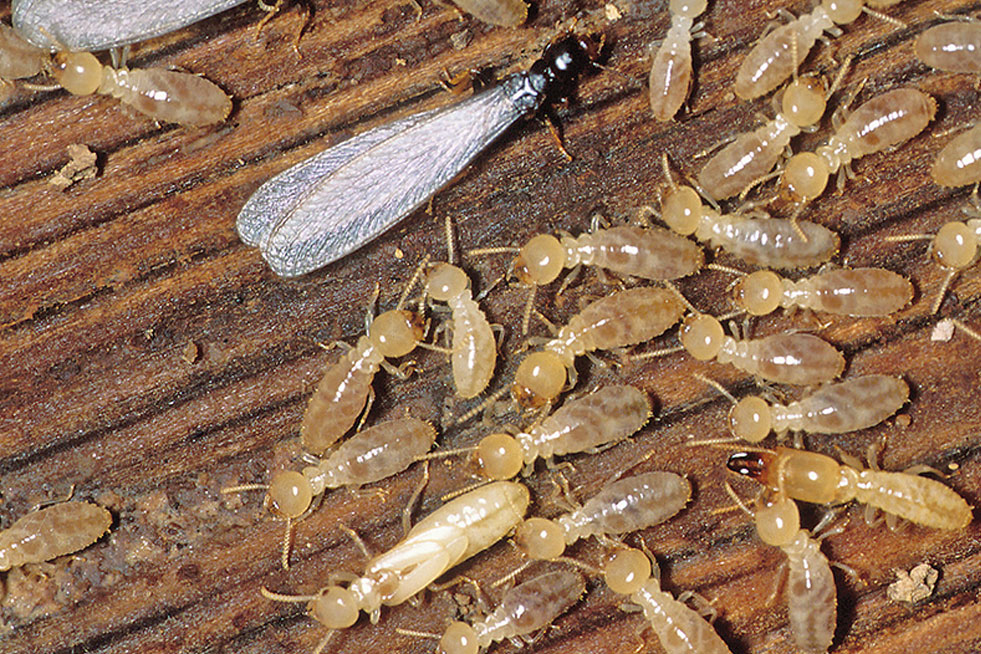
Spring is the primary season for termite swarmers—the winged reproductive members of a termite colony that take flight to start new colonies. Finding discarded, translucent wings piled up on windowsills, near doorways, or around outdoor light fixtures is a definitive warning sign that an active termite colony is nearby or already active inside the structure.
Homeowners frequently mistake termite swarmers for harmless flying ants. This is a critical mistake, as termite activity requires specialized treatment. If swarmers are present, it means a mature colony is close. Early spring is the ideal time for a professional evaluation to stop subterranean termites before they cause hidden, costly structural damage.
Paper Wasps Start Rebuilding Nests
Paper wasps are a stinging pest that homeowners quickly notice around porches, soffits, and roof overhangs in early spring. This is the time of year when fertile queens emerge from winter hiding spots to build brand-new umbrella-shaped nests out of chewed wood pulp.
Because wasps become incredibly defensive as their numbers grow, catching a nest while it is still small is vital for outdoor safety. Decks, patios, and doorways are highly vulnerable to these territorial pests. A targeted spring treatment stops the queen from successfully establishing a colony, keeping your outdoor living spaces safe for summer.
Ant Colonies Split and Spread
Spring brings an explosion of ant activity, particularly pavement ants and odorous house ants. As the soil warms and foraging conditions improve, overwintered ant colonies expand rapidly. When a colony grows too large, it can split, sending satellite colonies right toward your kitchen counters, pantries, and foundation walls.
What begins as a single line of ants scouting for moisture or food can quickly turn into a systemic indoor issue. Foraging patterns are established early in the season, which is why a professional spring treatment is so effective at disrupting their trails and knocking down populations before they multiply.
Millipedes Show Up After Heavy Rain
While millipedes are harmless to structures, they can become an overwhelming nuisance in Northern Virginia after heavy spring downpours. When the ground becomes saturated with water, millipedes migrate out of the soil in massive numbers, frequently crawling onto sidewalks, patios, and into basements or garages.
Millipedes don't bite or chew wood, but discovering hundreds of them on a basement floor is highly unpleasant. Their sudden appearance is usually a direct indicator of high moisture levels around your property's exterior perimeter, which can attract other, more destructive pests if left unmanaged.
The Blake’s Pest Control Spring Strategy: Prevention Over Reaction
At Blake’s Pest Control, we look at spring as a season for strategic prevention rather than just reacting to pests after they have already taken over. Once an insect colony is fully established in the summer heat, it requires a much more aggressive eradication process.
Our spring service focuses on establishing a professional-grade, liquid perimeter barrier around the exterior of your home. This barrier stops foraging ants, millipedes, and migrating pests on contact. Simultaneously, we apply targeted treatments for nesting paper wasps and hovering carpenter bees, and we can inspect or install localized bait stations for properties with a history of termite pressure.
What Homeowners Can Do to Help
While professional treatments provide the core protection, homeowners can take a few steps to minimize pest attractants around the yard:
- Store firewood elevated off the ground and stacked completely away from the side of the home.
- Keep gutters clean to prevent water from overflowing and pooling near the foundation.
- Trim back bushes, mulch, and low-hanging branches so they do not make direct contact with the exterior walls.
Reclaim Your Home Before the Summer Rush
Booking your spring service before the busy summer season ensures your home is protected before insect populations peak. A house that receives a comprehensive perimeter application in the spring is far less likely to experience stressful infestations later in the year.
Are you ready to stay ahead of spring pests? Contact Blake’s Pest Control today to schedule your seasonal treatment and keep common spring invaders outside where they belong.
 Skip to content
Recent Comments