Wasps do not just show up on your property out of nowhere. They are highly opportunistic pests drawn to specific environmental cues. At Blake’s Pest Control, we see a predictable pattern every year across Northern Virginia: as the weather warms up, wasp activity spikes around residential properties that offer easy access to food, water, and ideal nesting sites.
The frustrating part for homeowners is how quickly a wasp population can establish itself. A porch or deck that seems entirely quiet one week can suddenly play host to a rapidly growing nest the next. Understanding exactly what attracts wasps is the first step in breaking the cycle and keeping your outdoor living spaces safe.
Early Season Attractant: Protein Sources
In the spring and early summer, a wasp colony's primary focus is growth. Queens and worker wasps scour the area for protein-rich food sources to feed the developing larvae back in the nest.
Because of this intense drive for protein, wasps are naturally drawn to yards with:
- Outdoor pet food bowls left out during the day.
- Uncovered trash cans containing meat scraps or food waste.
- Barbecue grills with leftover grease, residue, or food drippings.
Wasps possess an incredibly sharp sense of smell. Once foraging workers locate a reliable protein source on your patio or near your deck, they will return to it repeatedly, often scouting nearby structures for secondary nesting locations.
Late Season Attractant: Sugary Foods and Drinks
As summer progresses into autumn, the colony's dynamics shift. The larvae stop producing a sugary secretion that the adult worker wasps rely on for energy. Desperate for a replacement carbohydrate source, the adult wasps pivot their diet entirely toward sugars.
This behavioral shift explains why wasps become such an aggressive nuisance around backyard gatherings, pools, and patios later in the year. They are intensely drawn to:
- Open soda cans, juice boxes, and alcoholic beverages.
- Overripe fruit falling from backyard trees or left on outdoor tables.
- The sticky "honeydew" residue left behind on garden plants by aphids.
Building Materials: Wood and Moisture
Wasps don't just look for food; they also seek out specific structural raw materials. Common species like paper wasps build their nests by chewing weathered, untreated wood and mixing it with their saliva to create a gray, paper-like pulp.
Properties with unpainted fences, weathered wooden decks, or exposed fascia boards provide an endless supply of building materials. Additionally, paper wasps require a nearby water source to mix their paper pulp. Mud puddles, damp garden beds, leaking outdoor spigots, and poorly drained gutters all provide the exact moisture conditions needed to support an active nesting operation.
Ideal Structural Layouts: Sheltered Areas
Even with abundant food and water, wasps still require a secure, sheltered location to protect their growing colonies from high winds, driving rain, and predators. Unfortunately, standard home construction naturally creates these perfect pockets.
Wasps routinely target:
- Roof eaves, soffits, and fascia boards.
- The dark undersides of elevated decks and porch ceilings.
- Outdoor playsets, window frames, and garage door tracks.
Because many of these locations are high above eye level or tucked into corners that homeowners rarely inspect, a nest can easily go unnoticed until it houses dozens of territorial, stinging insects.
Why Wasps Keep Returning to the Same Spot
It is incredibly common for homeowners to battle wasps in the exact same location year after year. This happens because wasps leave behind invisible chemical pheromone trails on the structures where they nest. Even after an old nest falls down or is swept away, those lingering chemical signatures signal to new queens the following spring that the location is safe and viable.
Simply spraying a visible nest with a garden hose or an over-the-counter retail spray rarely resolves the underlying issue, as it fails to neutralize the area or address the hidden pockets where new queens overwinter.
Proactive Steps for Homeowners
To make your yard significantly less appealing to foraging and nesting wasps, incorporate these simple habits into your routine:
- Tighten Trash Lids: Keep all outdoor garbage and recycling bins tightly sealed to contain food odors.
- Clean the Grill: Scrub down barbecue grates and grease traps immediately after cooking outdoors.
- Manage Moisture: Fix dripping hose bibs and ensure downspouts divert water away from bare soil patches.
When to Call Blake’s Pest Control
While preventative habits help minimize attractants, dealing with an active, established wasp nest carries a high risk of injury. Wasps are fiercely protective of their colonies and can sting repeatedly, which is a severe safety hazard—especially if anyone in your household suffers from stinging insect allergies.
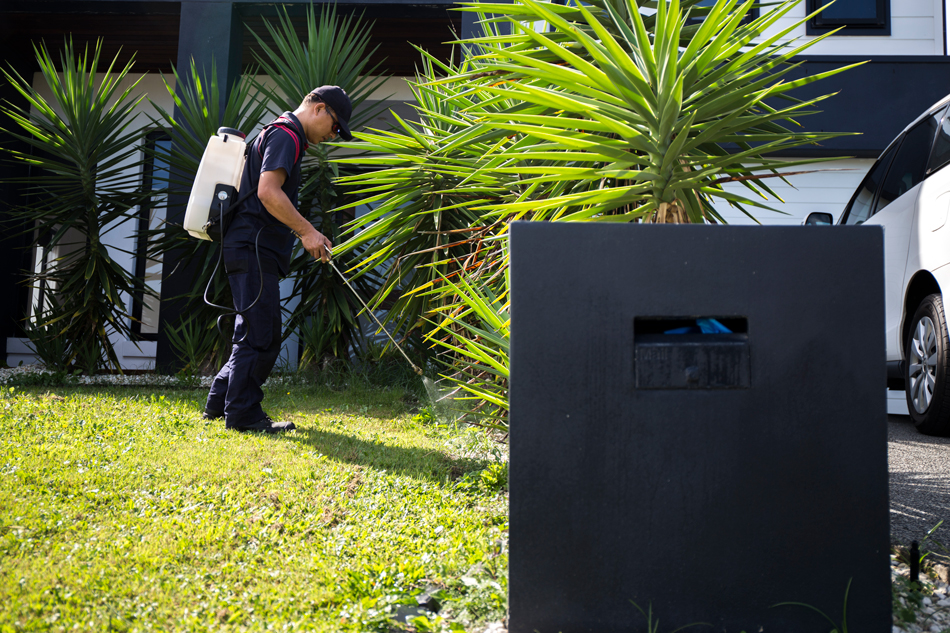
At Blake’s Pest Control, we don’t just target the visible insects. Our trained technicians use professional equipment to safely neutralize the nest, completely remove the physical structure, and apply targeted treatments to residual nesting zones. This comprehensive approach breaks the pheromone cycle, deterring future queens from reclaiming your space.
Are wasps disrupting your outdoor comfort? Contact Blake’s Pest Control today to safely eliminate active nests and keep your Northern Virginia home sting-free.
 Skip to content
Recent Comments